

CLIENTE
Belotur / Sebrae MG
TAGS
City Branding
ANO
2023
How can gastronomy become a strategy for identity, belonging, and urban development?
It was from this perspective that N/Lugares Futuros, together with Belotur and Sebrae Minas, developed a comprehensive strategic positioning project aimed at strengthening Belo Horizonte as a nationally and internationally recognized gastronomic destination.
Recognized by UNESCO as a Creative City of Gastronomy since 2019, Belo Horizonte already held a strong emotional and symbolic place within the Brazilian imagination. But the project’s challenge was to move beyond spontaneous recognition and transform gastronomy into a strategic city platform capable of connecting tourism, culture, the creative economy, and local identity within a single and coherent narrative.
More than communicating Belo Horizonte’s gastronomy, the project sought to deeply understand what makes the city’s culinary experience truly unique.
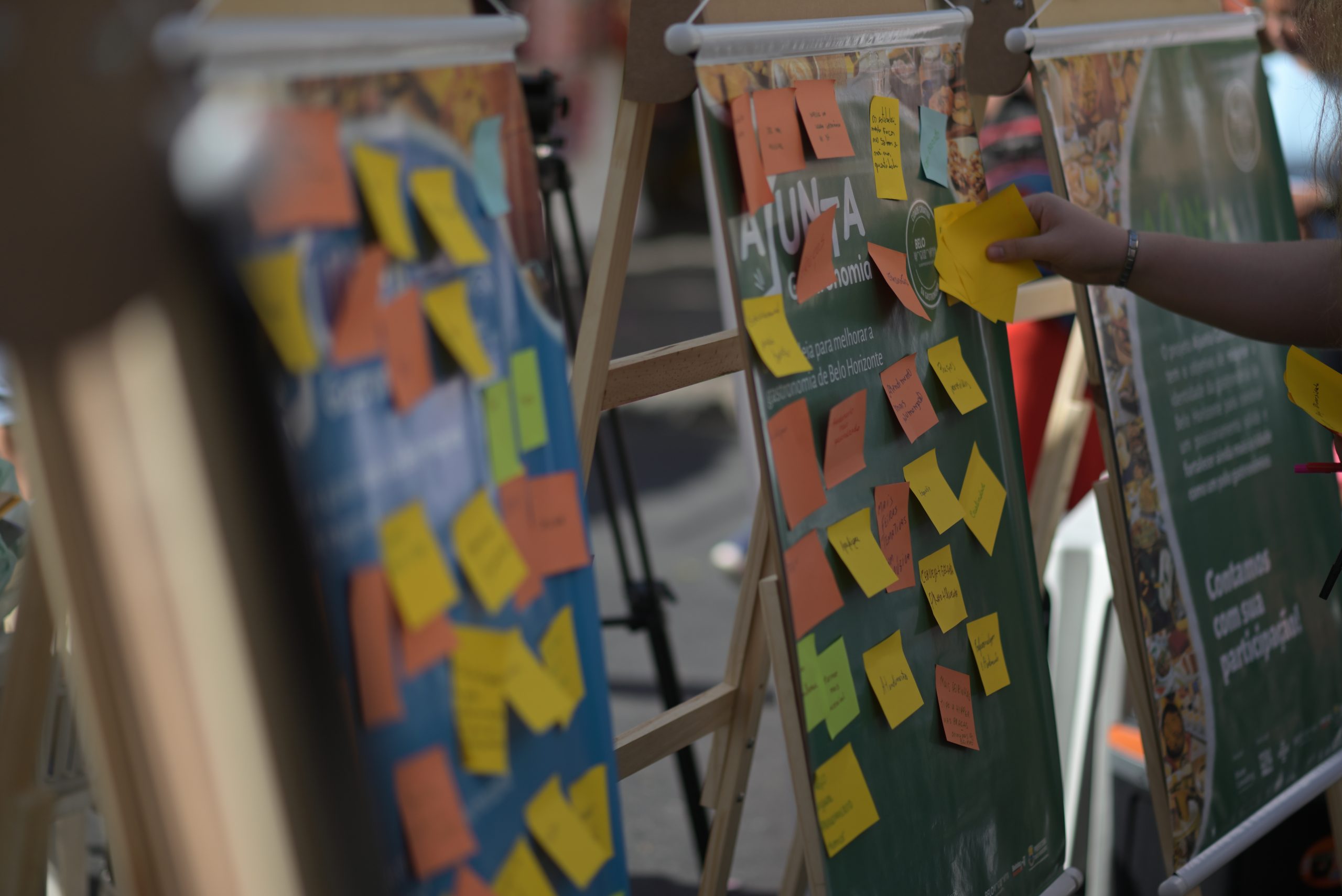
To achieve this, one of the largest community engagement processes ever conducted by the consultancy in gastronomic place branding projects was developed.
Throughout the journey, 16 collaborative workshops, activations across 9 strategic locations in the city, interviews, ethnographic immersions, and thousands of direct interactions with residents, entrepreneurs, chefs, producers, business owners, and visitors were carried out.
The positioning strategy was built upon the belief that gastronomy does not belong only to restaurants, but also to people’s everyday culture, their ways of living, hosting, occupying the city, and building connections.
In Belo Horizonte, food revealed itself as a social language, an emotional heritage, and a legitimate expression of contemporary Minas Gerais identity.
The process made it possible to identify unique attributes and establish guidelines capable of orienting future actions in tourism, communication, urban experience, and cultural valorization. More than a gastronomic destination, Belo Horizonte came to be understood as a city where hospitality, authenticity, and coexistence are embedded in the urban experience itself.
The project also contributed to strengthening the population’s sense of belonging toward its food culture, expanding social participation in the construction of the city’s narrative and connecting different stakeholders around a shared vision.
The work consolidated gastronomy as one of Belo Horizonte’s main brand assets, not only as a tourism showcase, but also as a tool for economic development, cultural valorization, and international positioning.
More than building a gastronomic brand, the project helped transform the relationship between city, culture, and experience, demonstrating how the identity of a place can become its greatest future strength.
“Sebrae commissioned the company to develop the brand positioning for Belo Horizonte’s gastronomy. What stood out to me was their methodology for information gathering and research, the engagement process, and the number of workshops conducted with community leaders, entrepreneurs, and project stakeholders.
Another key aspect was how all this input was consolidated into a diagnostic framework for building the positioning, based on direct insights from visitors, consumers, tourists, residents, and business owners in Belo Horizonte. We were very pleased with the work delivered, and the next challenge will be to implement the positioning strategy. Once again, we will rely on the consultancy’s support for this phase.”
Renato Lana – Sebrae – BH Gastronomia
“Through a partnership with Sebrae-MG, Belotur was able to commission the first place branding study conducted for a Brazilian UNESCO Creative City in the field of gastronomy.
The project provided highly relevant insights that allow the city to approach this creative economy sector as a true city project, grounded in diverse sources of information and research.
This work will certainly guide public and private sector planning within this ecosystem for many years, enabling more strategic communication with residents and tourists who experience the richness and identity of this cuisine, which is so significant in Brazil.”
Marcos Boffa – Belotur
