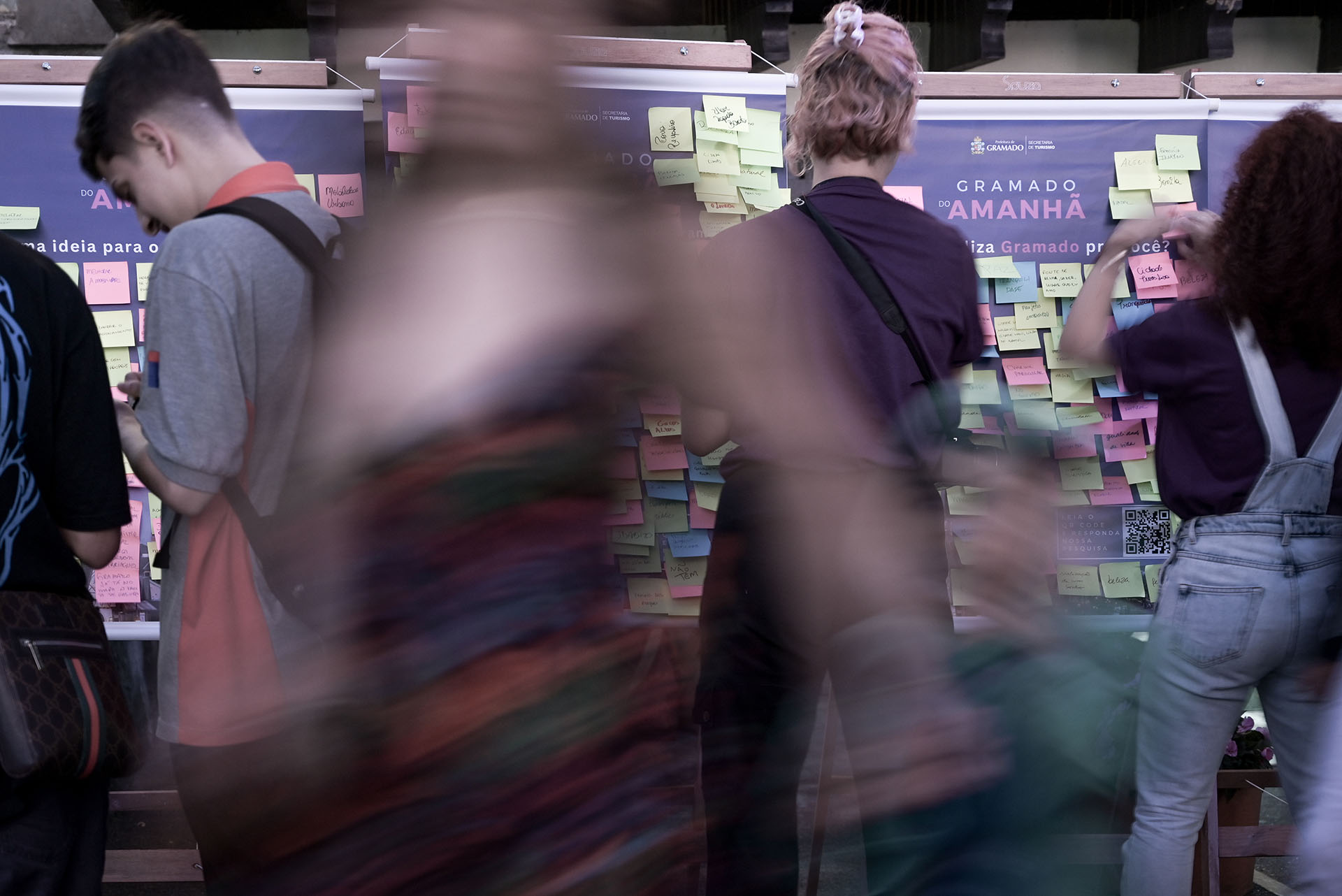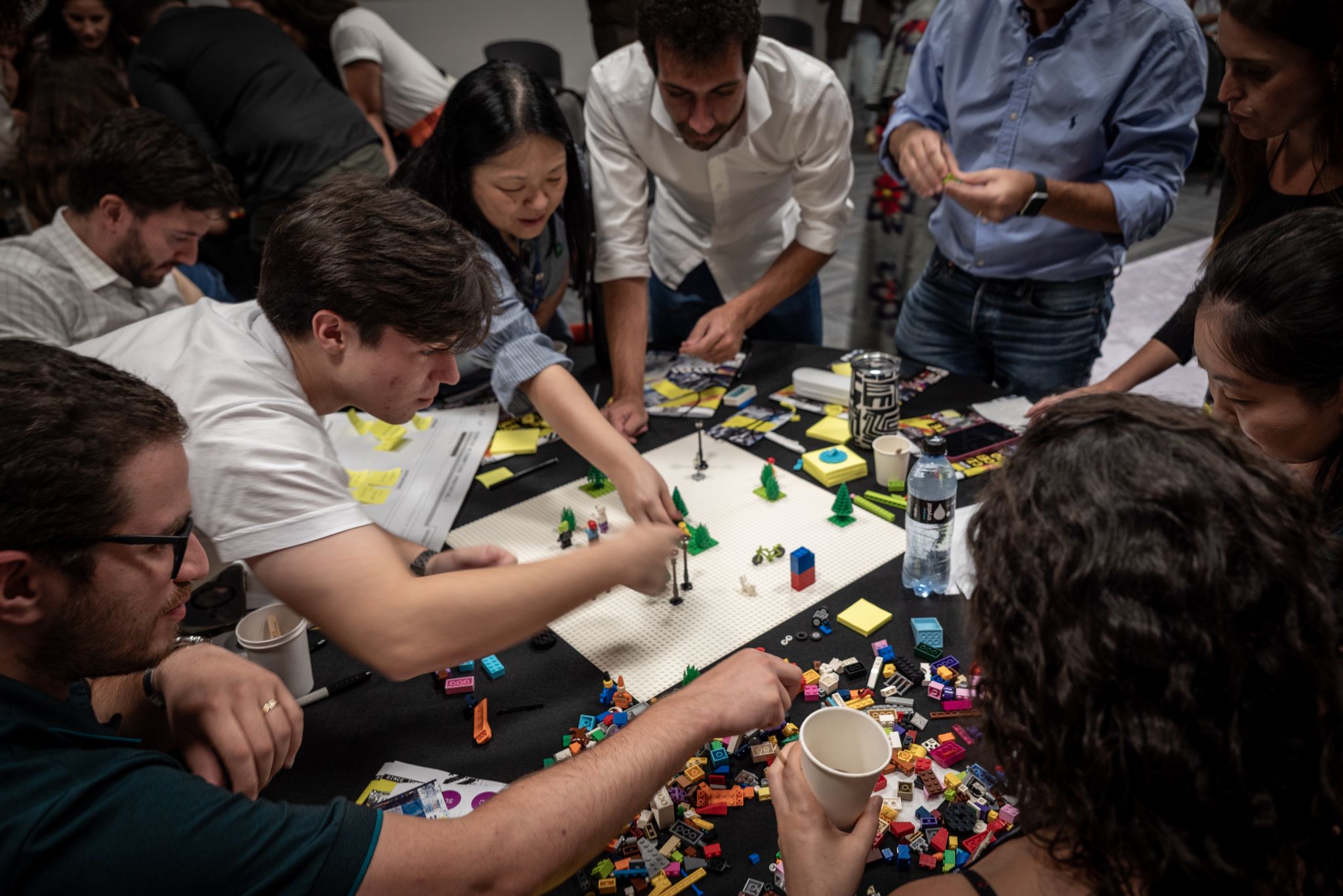
Place Strategic Foresight© is a proprietary methodology of N/Lugares Futuros that applies strategic foresight specifically to places, cities, regions, countries and urban developments. It takes the identity of the place as its starting point and uses the exploration of multiple future scenarios to inform strategic decisions in the present. It does not predict the future: it structures decision-making capacity in the face of uncertain futures.
The problem that Place Strategic Foresight solves
Cities and regions make long-term decisions using short-term tools. Traditional urban planning projects the future as a linear extension of the present, as if tomorrow were simply today a few years down the line. Conventional place branding defines strategic positioning for 10 or 20 years with the same certainty as someone planning a meeting schedule.
But the future is neither linear nor singular. And plans built on the certainty of a single possible tomorrow are exposed precisely when they most need to work.
What happens to a tourist town when the modeaml of tourism changes? To a planned neighbourhood when remote working redefines where people want to live? To a region when a regulatory change eliminates its main economic driver?
None of these questions has a single correct answer, but they all require the place to be prepared for multiple possibilities, not just one.
This is precisely why Place Strategic Foresight© was developed.
How it works
Place Strategic Foresight© takes the foundations of place branding as its starting point. After understanding the place’s identity, its strengths and uniqueness, the methodology explores five groups of futures:
This exploration is not speculation; it is a structured process that maps strong and weak signals from the environment, identifies critical uncertainties, constructs scenarios, and translates all of this into concrete strategies for the present. The aim is not to predict the future, but to enhance the decision-making capacity of those who manage places.
Among the concrete results of this approach are: alternative visions of the future beyond business as usual; a strengthened sense of belonging by involving communities in the process; increased territorial anti-fragility; an understanding of the paths to achieving preferable futures; and strategic guidance that complements, rather than merely confirms, existing planning.
What sets it apart from traditional urban planning
Urban planning works with a singular, predetermined future. Place Strategic Foresight© works with multiple, uncertain futures. The difference is not merely philosophical; it is operational. A place that has prepared for only one future becomes vulnerable when another emerges. A place that has explored multiple futures has more resources to adapt, more options to choose from, and a broader repertoire for decision-making.
The other fundamental difference is the starting point. Other foresight models begin with the vision, with what the place wants to be. Place Strategic Foresight© begins with identity, with what the place genuinely is. This difference ensures that the futures explored are consistent with the territory’s actual uniqueness, not with an aspiration detached from its reality.
Place Strategic Foresight© and the Antifragile City
Place Strategic Foresight© is a direct evolution of the concept of the Antifragile City, developed by Caio Esteves in 2021. Whilst Antifragility taught places to grow stronger through crises, embracing uncertainty as an inevitable part of existence, Place Strategic Foresight© goes further: it not only embraces uncertainty, but maps it, explores it and transforms it into a strategic resource for the present.
Antifragility was the answer to a singular uncertain future; Place Strategic Foresight© is the answer to multiple uncertain futures.
 FAQ
FAQ