Place branding is a process that enhances identities, identifies strengths, strengthens places and, always, absolutely always, involves people. It is not destination marketing, it is not graphic design, it is not a tourism campaign. It is the construction of the Singularity that drives and sustains a place over time, regardless of who governs, what event takes place or what crisis arises.
What place branding is not
Before defining what it is, we need to clarify what it isn’t, because the confusion comes at a real cost to those who make decisions about places.
Place branding is not a logo. Do you know what the logo for Paris is? For New York? For Barcelona? Probably not. And that hasn’t stopped any of these cities from having one of the most recognisable place brands in the world. If a logo is not capable of creating a corporate brand, but merely of identifying it, it is even less capable of creating a place brand. Places are already unique by nature; their distinctiveness does not need a graphic symbol to exist.
Place branding is not destination marketing. Place branding looks inward at the place: its identity traits, its vocations, its uniqueness. Place marketing looks outward: it promotes and communicates what the branding has revealed. One guides the other; without identity, marketing merely amplifies the void.
Place branding is not tourism. Tourism is one of the paths that place branding can take, but it is far from being the only one. Places can be developed as brands to attract investment, retain talent, foster a sense of belonging, strengthen local businesses and improve residents’ quality of life. A place does not need to have obvious tourist attractions to have a strategic identity.
Place branding is not exclusive to large cities; there is no limit on size, income or population for a place to be developed as a brand. The Eiffel Tower helps, but it is not necessary. The most rewarding challenge of place branding is precisely to work with places that do not yet know how to articulate what makes them unique.
What place branding is
Place branding is the ecosystem that deals with places, streets, squares, neighbourhoods, cities, states and countries, based on their identity and what their brand could become.
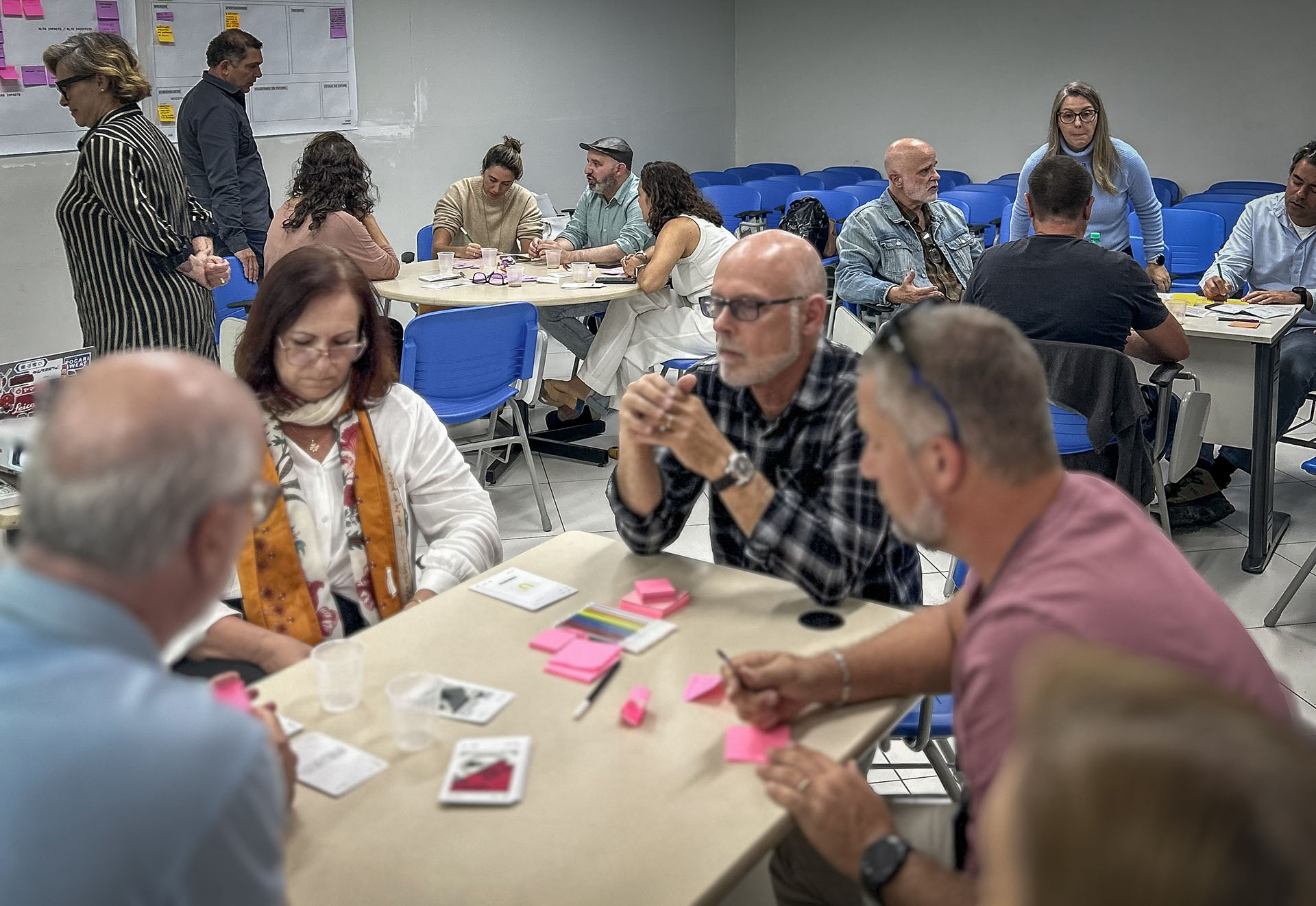
It is a multidisciplinary process that involves communities, maps latent potential, engages stakeholders and builds the strategic identity capable of guiding long-term decisions. It does not belong to an administration, a political party or a government. It belongs to the place, and therefore to its people.
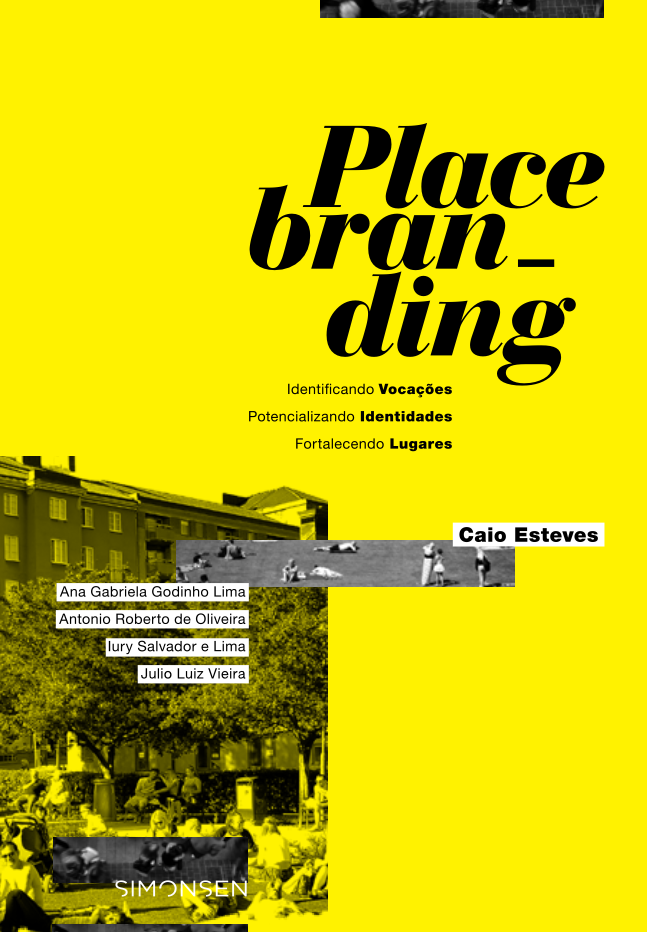
The definition that guides the work of N/Lugares Futuros, developed over four books and a decade of projects: place branding is a process that enhances identities, identifies strengths, strengthens places and always involves people. There are four key words: process, identities, strengths and people, and each carries specific weight.
Place branding and N/ Lugares Futuros
At N/Lugares Futuros, place branding is always practised in conjunction with placemaking—the materialisation of identity in public space—and with Place Strategic Foresight©—the exploration of multiple futures to prepare the place for what is not yet known. The three approaches are not modular: they are interdependent, and it is from their fusion that places prepared for the future are born.
 FAQ
FAQ